British Shorthair insurance cost
What you'll pay to insure a British Shorthair in the UK, by age and cover type, and the health risks behind the price.
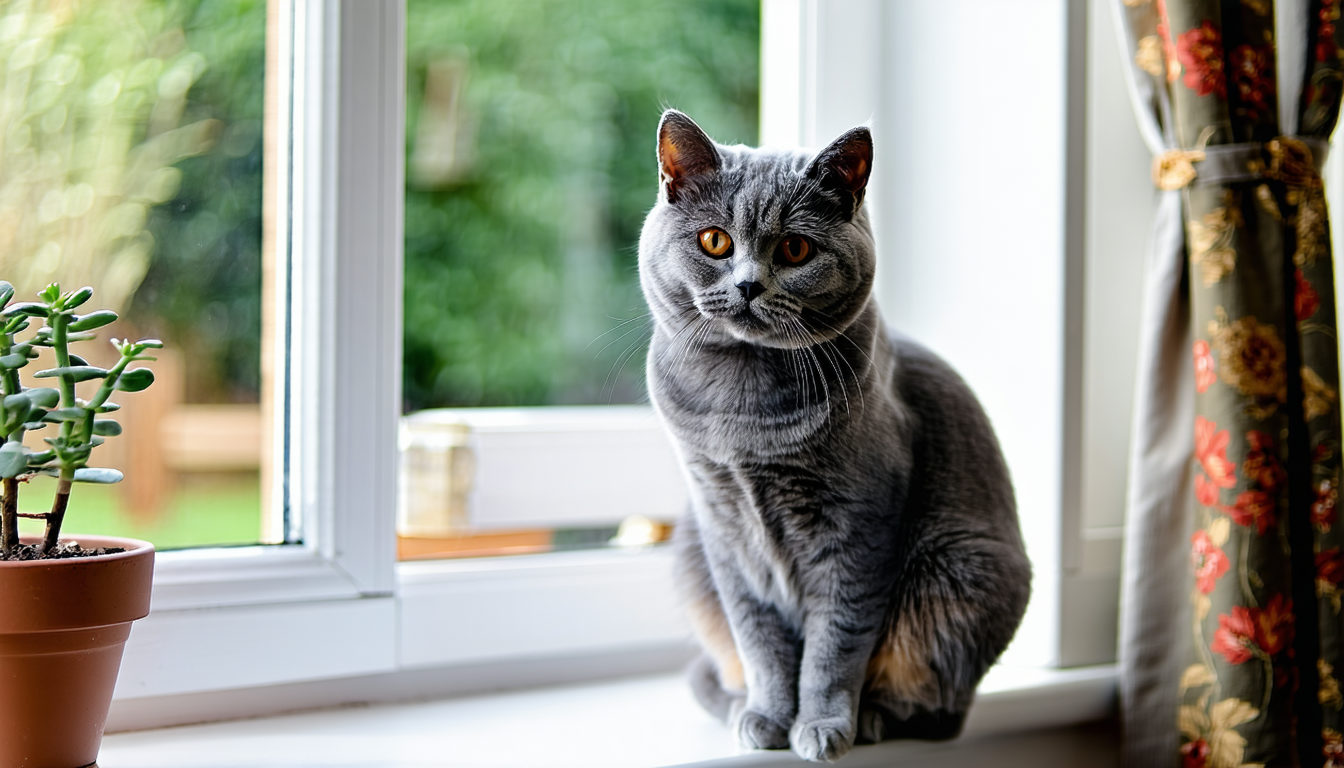
A British Shorthair costs around £15 a month to insure on lifetime cover at age 3, with most quotes between £12 and £18. It's one of the cheaper pedigree cats to insure, sitting just above a moggy, because the breed is generally hardy with a shorter list of inherited problems.
British Shorthair insurance cost by age
Premiums rise every year and climb steeply from around age 8, when illness claims increase and most insurers add a percentage co-pay. These are monthly estimates by cover type:
| Age | Lifetime | Annual (time-limited) | Accident only |
|---|---|---|---|
| 1 year | £13 | £9 | £4 |
| 3 years | £15 | £11 | £5 |
| 5 years | £18 | £13 | £5 |
| 8 years | £26 | £18 | £8 |
| 10 years | £33 | £24 | £10 |
| 12 years | £43 | £31 | £13 |
Lifetime cover keeps paying for ongoing conditions year after year. Annual cover stops after 12 months per condition. Accident-only covers injuries but no illness, which is why it's so much cheaper.
Why British Shorthair insurance costs what it does
Insurers set premiums from claims data, and the British Shorthair is associated with heart disease (HCM), kidney disease and obesity. Here's what drives the British Shorthair's price specifically:
- Like many pedigree cats, British Shorthairs can develop hypertrophic cardiomyopathy (HCM), so heart screening is worthwhile and cover for it matters.
- Polycystic kidney disease is seen in the breed, though responsible breeding has reduced it, and kidney conditions need ongoing treatment.
- They're a stocky, laid-back cat that gains weight easily, and obesity feeds into diabetes and joint problems later in life.
- Dental disease is common in the breed as they age, and dental treatment is a frequent mid-life claim.
Which cover type suits a British Shorthair?
The British Shorthair's biggest controllable risk is weight. Keeping your cat lean reduces the chance of the expensive conditions, and lifetime cover handles the chronic ones like HCM if they do appear.
How to bring the cost down
A few things genuinely reduce a British Shorthair's premium. Insure while your pet is young to lock in a lower starting price and a claims history. Choose a higher voluntary excess, which typically cuts the monthly premium by around 15%. Keep your pet at a healthy weight, since obesity feeds into most of the expensive conditions. And compare lifetime policies on their annual benefit limit, not just the monthly price, because a low limit can run out mid-treatment.
For a figure tailored to your pet's exact age, postcode and cover type, use our pet insurance estimator. It uses the same underlying data as the estimates on this page.
Common questions
How much does British Shorthair insurance cost per month?
Does British Shorthair insurance get more expensive with age?
What's the best cover type for a British Shorthair?
Is a British Shorthair expensive to insure compared with other cats?
Sources
Estimates use our pet insurance pricing model, built from Association of British Insurers (ABI) market data, published insurer pricing and breed health surveys. Breed health information draws on veterinary and Kennel Club sources. These are illustrative estimates, not quotes. Actual premiums vary by insurer and your circumstances.
This is an estimate based on market averages, not a quote or financial advice. We're not regulated by the FCA. Always compare policies on cover and annual limits, not just price.